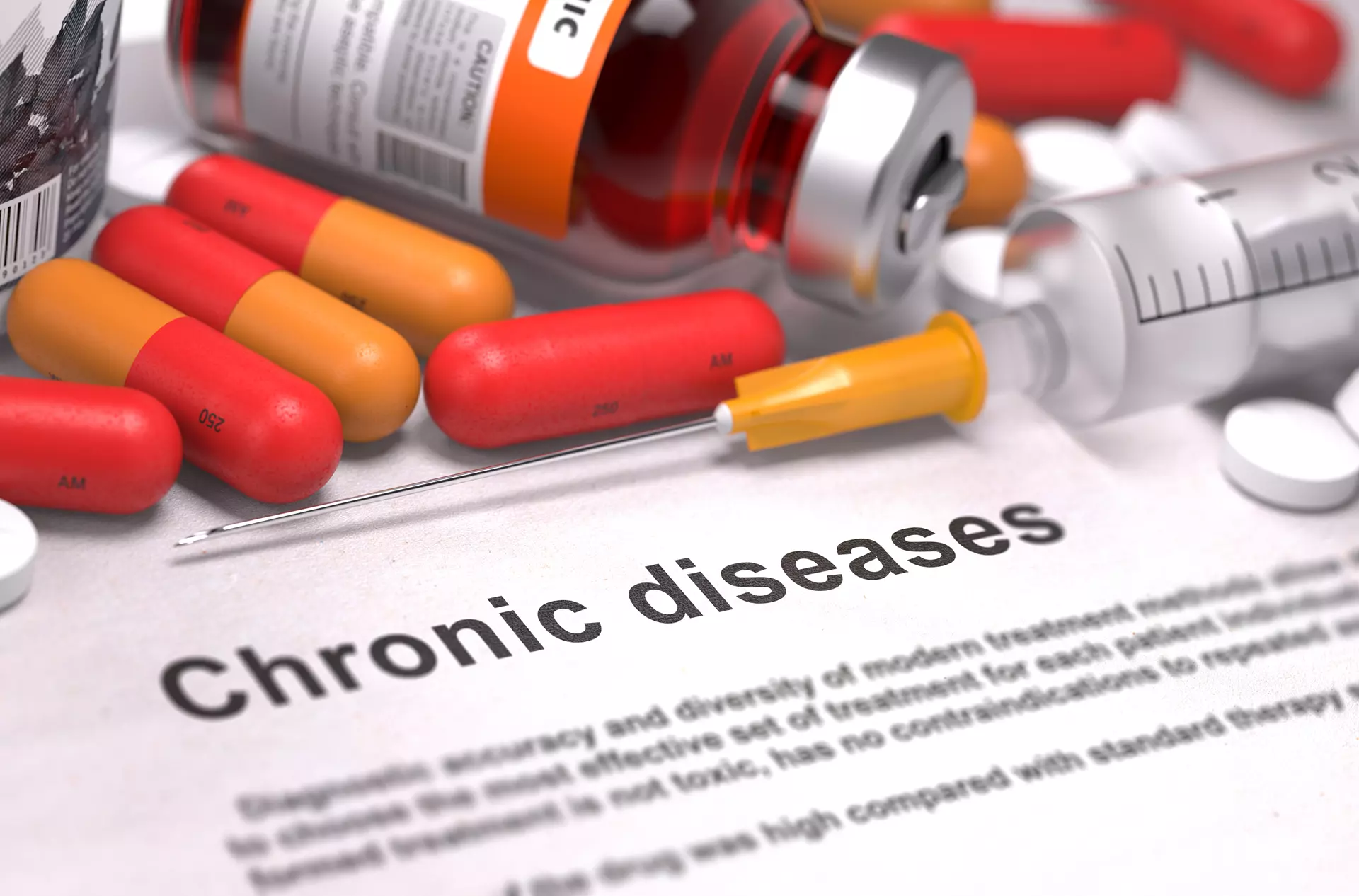
Is Chronic Illness More Than a Physical Disease?
In conventional medicine, chronic illness is treated as a purely physical malfunction—rogue cells, faulty genes, bad luck.
But in a metabolic and terrain-based framework, chronic illness tells a deeper story.
Chronic illness is not only a disease of the body. It is a disease of communication—between the mind, metabolism and so much more.
When we listen closely, Chronic illness often reflects long-standing patterns of depletion, stress, emotional suppression, and disengagement from the body’s needs.
To heal, we must change the conversation.
The Anatomy of a Chronically Ill Patient: Three Mental Patterns That Sustain Disease and Keep Chronic Illness Around
There are three recurring mindsets that keep patients stuck in illness rather than moving toward optimal health. These are not character flaws. They are strategies that have been learned for survival. And, they can be unlearned.
Mental Construct 1: “I Take More Than I Give” — Chronic Energetic Depletion
Many people who develop chronic illness are not careless with their health—they are chronically depleted and therefore look for what they can take to sustain themselves.
They take ceaselessly:
- emotionally
- physically
- mentally
- energetically
Often without realizing what the need is: Is it…
- rest
- nourishment
- recovery
- boundaries
Over time this creates an energetic debt within a body that is bankrupt of currency.
From a metabolic standpoint, chronically ill cells thrive in environments of:
- low cellular energy
- chronic inflammation
- mitochondrial dysfunction
The body is not failing—it is trying to adapt to its new norm.
The question needs to shift from:
“How do I destroy my illness?”
to: “How do I restore energy, resilience, and balance to my system?”
Mental Construct 2: “I Expect Something for Nothing” — The Passive Healing Trap
Another pattern that quietly fuels disease is the belief that healing should come without personal investment.
This sounds like:
- “Just give me the right supplement.”
- “Tell me what to take.”
- “Make me better.”
However, chronic illness does not arise from a missing pill.
It develops through:
- chronic stress signaling
- metabolic dysregulation
- unresolved emotional load
- environmental toxicity
- long-term lifestyle mismatch
Healing requires true and honest investment in one’s health.
There is no protocol that works if the internal environment remains unchanged.
True healing demands:
- time
- consistency
- financial investment
- emotional honesty
- behavioral change
This is not punishment.
It is a partnership with your body.
Mental Construct 3: “Fix Me” — Giving Away the Power to Heal
Perhaps the most damaging pattern of all is that healing exists outside of oneself.
This mindset says:
“My body is broken. Someone else needs to fix it.”
But the body is not broken.
It is intelligent, adaptive, and responsive.
When responsibility is outsourced entirely:
- agency disappears
- awareness diminishes
- healing stalls
You cannot heal a body you refuse to participate in. You cannot heal the body without personal power and integrity
The Healing Shift: Changing the Internal Conversation
Chronic illness does not respond to force.
It responds to correction, namely correcting of a terrain riddled with different patterns ready to be unwound.
That correction begins with new questions.
“What do I need to do to thrive—not just survive?”
This reframes from a battle into an invitation for transformation.
Thriving includes:
- metabolic flexibility
- emotional regulation
- stress resilience
- purpose and meaning
“What is my body telling me?”
Symptoms are not inconveniences.
They are biological communication:
- fatigue
- pain
- cold sensitivity
- digestive issues
- anxiety
Each symptom is data pointing toward imbalance.
Listening changes outcomes.
“Am I willing to invest in my healing?”
Healing costs:
- comfort
- convenience
- old identity patterns
- overgiving
- self-neglect
But the return is profound:
- vitality
- clarity
- resilience
- agency
- life
Chronic Illness as a Wake-Up Call, Not a Death Sentence
It is not punishment.
It is not a failure.
It is not random.
The body is asking for:
- fuel it can actually use
- stress it can recover from
- releasing stored emotions
- a life aligned with biology
When the question changes from: “How do I get rid of this?”
To: “Who do I need to become for my body to heal?”
Physiology changes.
Environment changes.
Outcomes change.
Bottom LIne : Where Real Healing Begins
Chronic Illness healing begins with:
- responsibility
- curiosity
- participation
- investment
The moment you stop waiting to be fixed
and start choosing to engage—real medicine begins.
